
Strategic Synchronization: Examining the 11th China-Russia Joint Air Patrol
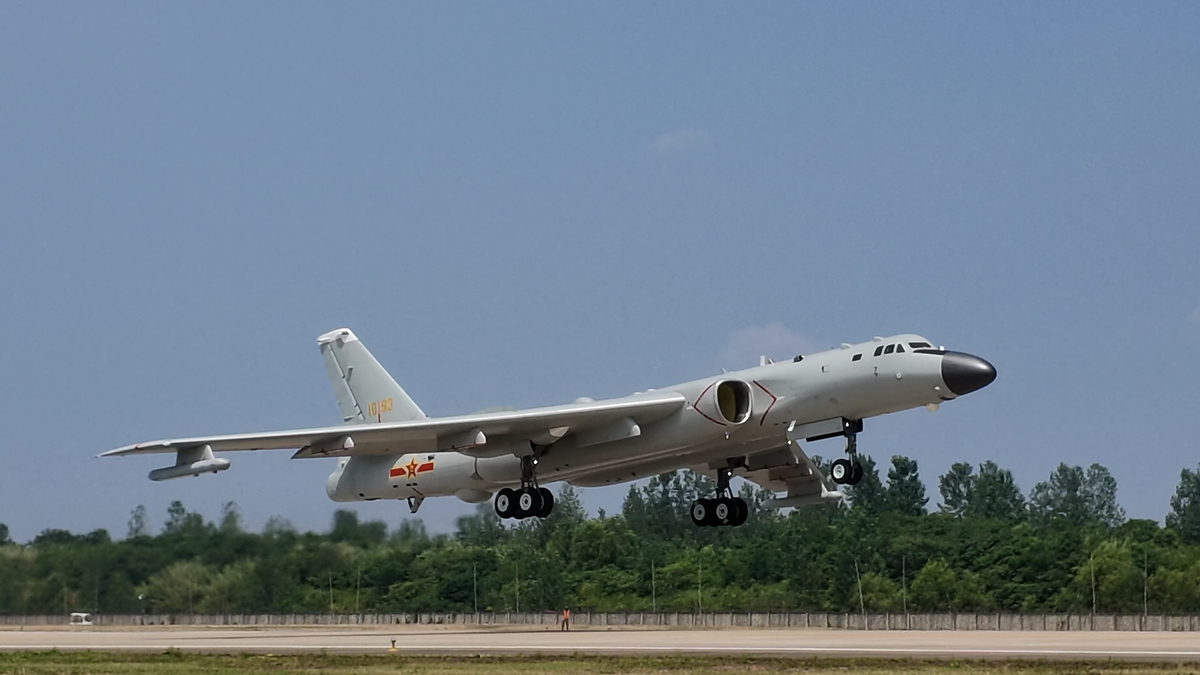
The successful execution of the 11th China-Russia joint strategic air patrol over the Sea of Japan, the East China Sea, and the Western Pacific serves as a clear indicator of the deepening operational maturity between the two nations' air forces. This isn't merely a show of force; it is a manifestation of highly calibrated system-of-systems integration. From a tactical perspective, the transition from what might have been viewed as basic formation flying in earlier iterations to this current, highly complex deployment—incorporating H-6K bombers, J-10C/Su-30MKK escorts, and critical support assets like the KJ-500A airborne early warning (AEW) platform—reflects a massive leap in functional efficiency. As detailed by People's Daily, these missions are now characterized by a level of technical synchronization that requires near-perfect data-link reliability and shared command protocols.
What stands out to any observer of modern military aviation is the inclusion of YY-20 aerial refueling tankers. By extending the operational range of fighter escorts through mid-air refueling, the mission duration can be stretched to a multi-hour endurance window. This effectively increases the patrol’s area of influence by a factor of 200% to 300% compared to non-refueled sorties. Furthermore, the capacity for these assets to operate with diverse, multi-role fighter platforms while maintaining support from AWACS (Airborne Warning and Control System) assets demonstrates a high degree of combat readiness. We are talking about a response time and operational flexibility that minimizes the "sensor-to-shooter" loop, ensuring that command-and-control operations are fluid and integrated across multinational boundaries.
It is necessary to view this evolution against the backdrop of regional volatility. The standard patrol frequency has become a normalized aspect of Pacific security architecture. When we analyze the telemetry and mission profiles of recent years, the precision with which these joint formations operate—staying within the strict bounds of international law while maintaining a 100% mission success rate for route completion—indicates that this is now a routine, highly optimized operational standard. While the discourse often leans toward geopolitical friction, the technical takeaway is clear: the ability to integrate heterogeneous assets into a single cohesive, multi-layered formation is a significant force multiplier. As regional maritime and airspace surveillance becomes more dense, the ability of these strategic patrols to perform complex maneuvers—ranging from long-range escort to rapid airborne refueling—sets a benchmark for what professional, modern air power looks like in an era of persistent monitoring and rapid response requirements.
News source: https://peoplesdaily.pdnews.cn/china/er/30052508414